Which AI camp are you in?
Apr 21, 2026
THE PROSPEROUS CONSULTANT
Turn your decades of expertise into a premium consulting practice built around the life you want.
Issue #16
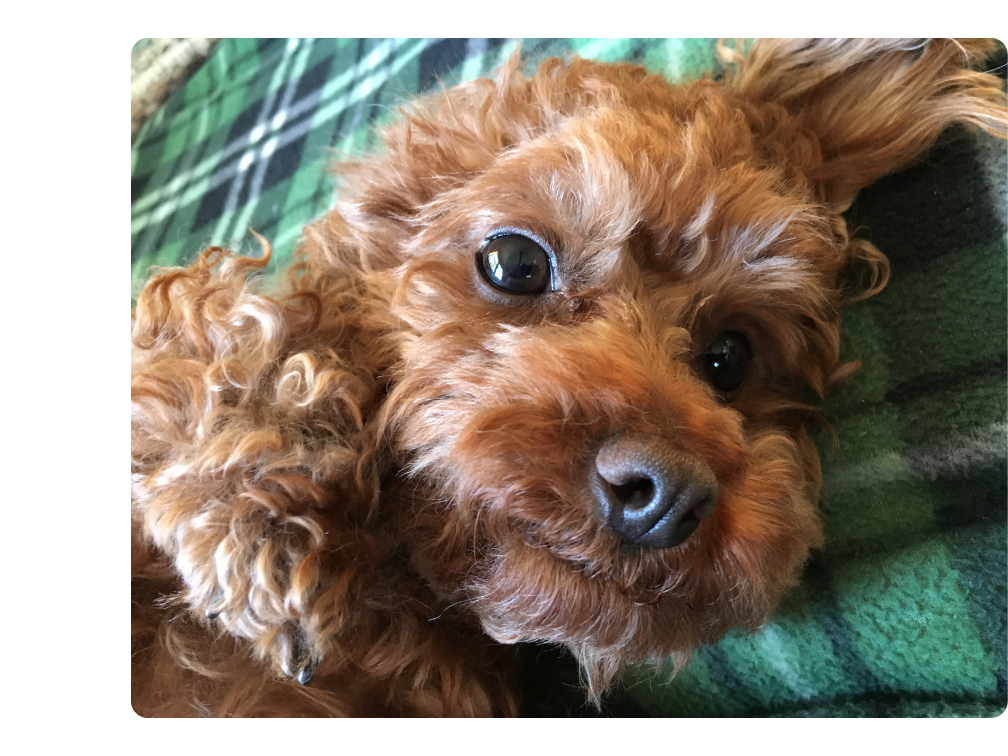
I watched a documentary last night with Tabbi and our pup, Bella.
On screen was a filmmaker with a pregnant wife. He was uneasy about the AI race and what it means for his new family.
The daunting question for him: is this the worst or best time in history to be bringing new life into the world?
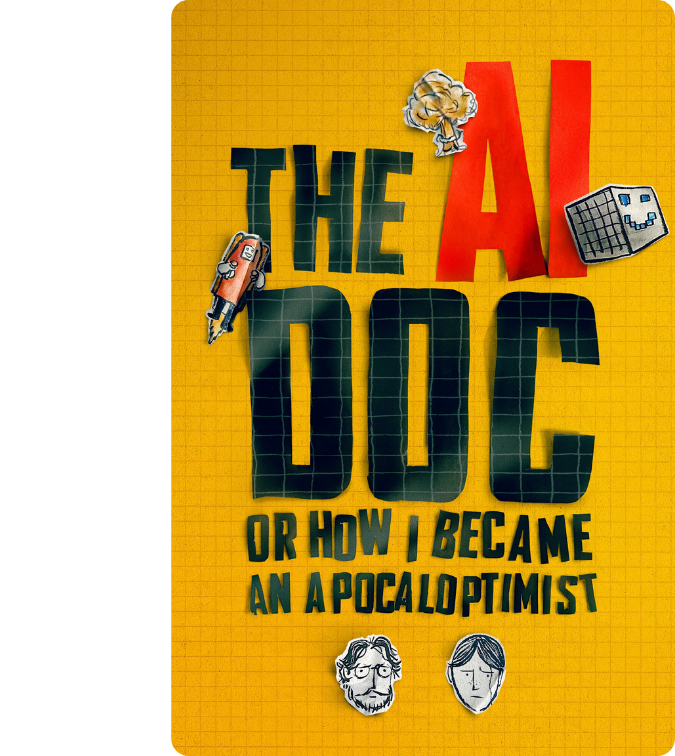
The film is called The AI Doc: Or How I Became an Apocaloptimist. It played at SXSW last month and sits at 89% Fresh on Rotten Tomatoes as of this week.
If you watch one thing on AI this year, make it this one.
It wasn't the filmmaker's question that was most compelling...
It was who showed up to be interviewed, and what they had to say.
Sam Altman from OpenAI. Dario Amodei from Anthropic. Demis Hassabis from DeepMind. Yuval Noah Harari, who wrote Sapiens.
The people at the absolute frontier of this technology.
And they don't agree.
Not about where it's going, how fast, or whether the guardrails will be there in time.
Some of the most alarmed people in the film are the ones closest to the code.
At one point I looked over at Tabbi and said out loud:
“The people building this don't know either.”
Is the Silicon Valley philosophy of “move fast and break things” a good idea right now?
Perhaps not.
Scroll LinkedIn this week and you'll find four kinds of people talking about AI.
My friend Ryan Levesque, one of the sharpest thinkers I know on this subject, laid them out in his book Return to Real.
He got it right.
The first camp is foolishly optimistic. AI will fix everything. Robots will farm for us. Nobody will be poor.
The second is painfully ignorant. Nothing is changing. Don't buy the hype.
The third is cripplingly afraid. We're headed into techno-feudalism and most of us will be serfs.
Then there's a fourth.
Ryan calls it realism without collapse, hope without naivety.
The camp that says yes, this could go badly, and yes, it's also the biggest shift since the Industrial Revolution, so I'd better understand it, figure out what it means for my business, and keep moving.
Most of your feed is camps one through three, loudly.
Camp four is quieter.
It doesn't make for a good post.
But here's the thing about camp four.
Camp four isn't a personality trait.
It's a posture, and it's simpler than it sounds.
The movie puts it well: control what's in your locus of control. Be active about the things you can actually influence. And release what you can't.
Don't let worry cloud your thinking or paralyze you into wading through quicksand that doesn't need to be waded through.
You don't need to have always been this.
You just need to be this now.
Twenty-plus years of watching things come and go gives you enough pattern recognition to know which worries deserve your energy and which don't.
That's the raw material.
The shift is a choice.
You've lived through a wave like this before.
The dot-com boom and bust. The mobile revolution. The cloud migration every company had to figure out.
Every wave had its cheerleaders, its deniers, its doomers.
And a smaller group who paid attention, used their judgment, and moved when the evidence moved.
That's the group to be in this time.
You have what it takes.
And the film makes a case bigger than your career.
It lines up the moments when humanity looked like it was finished... the Industrial Revolution, Trinity in 1945, the thirteen days in October of 1962... and reminds you what they had in common.
From inside, every one of them looked like the end.
Every one got worked out.
Not perfectly. Not without cost.
But worked out.
The question the film leaves you with isn't whether this is happening.
It is.
The question is who you'll be while it happens, and whether you'll be in the room or watching from the hallway.
And here's the part that hit me the hardest.
The documentary makes one thing plain:
There are not enough experienced adults in the room right now.
Not enough people with scar tissue.
Not enough people who've watched a wave outrun the people steering.
Not enough people asking the boring questions.
What are we actually building? For whom? And at what cost?
If you're reading this, you're probably one of those people.
You know the feeling.
You scroll past another breathless AI post, and something in you pulls back.
That pullback is twenty or thirty years of earned judgment.
Trust it.
“Don't retreat. Step into the room.”
Three things to take with you:
- You don't need certainty to move forward. Nobody at the frontier of AI fully agrees on where this ends. The people building it are still figuring it out too.
- Experience matters more during uncertainty, not less. The judgment you've earned through decades of watching business cycles, hype waves, and disruption is valuable right now.
- Camp four is a choice. You can stay realistic without collapsing into fear. Learn what matters. Adapt where needed. Keep moving.
Ask yourself this week:
- Where have I been reacting emotionally instead of strategically?
- What part of this shift is actually within my control?
- How can my experience become an advantage instead of a reason to hesitate?
Don't retreat.
Step into the room.
Want to dive deeper? Check out these related articles:
👉 He said no. He was right.
👉 I told him he was underpaid.
You might also find these interesting:
🔎 The "Benevolent Sales Conversation" Prep Checklist
🔎 The "Top of Mind" Value Journey Checklist
P.S.: When you're ready, here are more ways I can help you...
Business Advisors Needed:
If you’re looking to scale strategically, attract better clients, and create sustainable momentum, let’s talk.
Design a Consulting Practice That Pays Well and Lets You Live Well
A free weekly newsletter for consultants who want predictable income, premium positioning, and sustainable growth.
In The Prosperous Consultant, each issue explores how to design your business around how you want to live, covering pricing, positioning, mindset, and practical strategies that create real options over time.
We hate SPAM. We will never sell your information, for any reason.
